

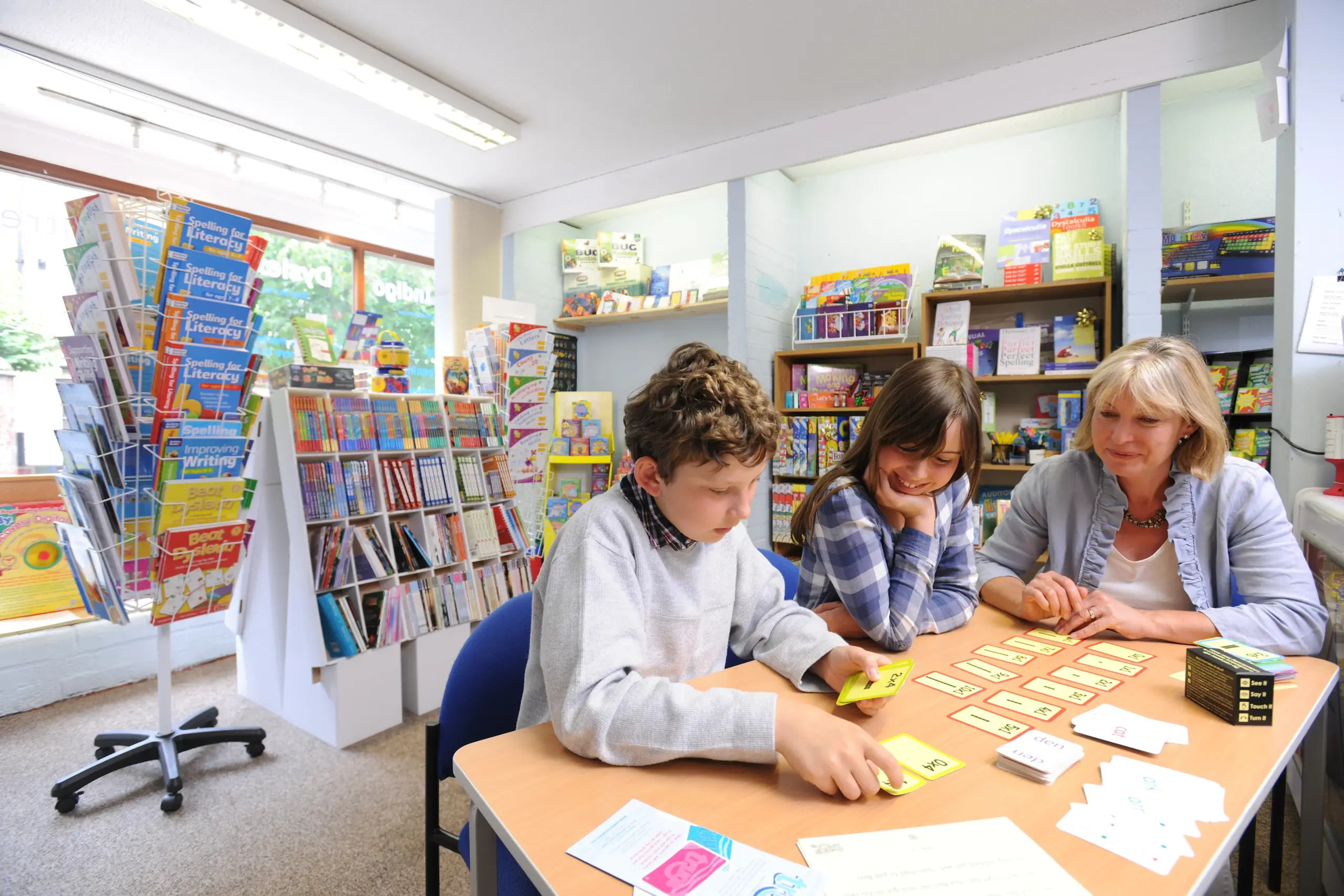
Understanding Dyslexia
Dyslexia is a specific learning difficulty that primarily affects the skills involved in
accurate and fluent word reading and spelling. It’s not a sign of low intelligence;
in fact, individuals with dyslexia often have above-average intelligence. It’s best
understood as a continuum, with no clear cut-off point, affecting about 1 in 10 people
to varying degrees.
Dyslexia is classified as a disability under the Equality Act 2010 in the UK, as it
has a substantial and long-term adverse effect on an individual’s ability to carry out
normal day-to-day activities, like reading and writing. This legal recognition ensures
that individuals are protected from discrimination and have a right to reasonable
adjustments in education and employment.
Causes and Effects
The primary cause of dyslexia is neurological and genetic. Research suggests
differences in the structure and functioning of the brain, particularly in areas
associated with language processing. It often runs in families, indicating a strong
hereditary component. The core difficulty is generally attributed to a problem with
phonological awareness—the ability to recognize and manipulate the sound
structure of spoken language.
Dyslexia significantly affects learning in several ways:
– Reading: Slow, inaccurate reading, struggling to decode words, and poor
reading comprehension.
– Writing & Spelling: Persistent spelling errors, difficulty forming letters
(dysgraphia), and struggling to structure written work.
– Organization & Memory: Challenges with short-term memory, following
complex instructions, and managing time or organizing materials.
– Speed of Processing: Slower pace when reading, writing, or taking notes.
Identifying Students with Dyslexia: The Initial Steps
Teachers are often the first to notice consistent learning difficulties. While only a
specialist can provide a formal diagnosis, teachers can use observation and informal
screening to flag students for further investigation.
Identifying Symptoms:
| Area | Signs to Look For |
| Reading | Persistent difficulty reading at age-appropriate levels, skipping words or lines, guessing words based on initial letters, slow reading rate. |
| Writing & Spelling | Numerous and inconsistent spelling errors, poor grammar/punctuation, messy handwriting, struggling to organize thoughts on paper. |
| Phonological Awareness | Difficulty recognizing rhyming patterns, segmenting words into sounds, blending sounds to make words. |
Crucial Indicator: Phonological Awareness
Difficulty with phonological awareness is the most common and robust indicator of
dyslexia. This includes the ability to hear and work with the smaller sounds in words
(phonemes).
Recommended Action:
If a teacher suspects dyslexia based on these consistent patterns, they should
recommend the student undergo a screen test administered by the school’s Special
Educational Needs Coordinator (SENCO) or an educational psychologist. A
screening test is a quick, initial assessment that highlights potential issues,
prompting the need for a full diagnostic assessment.
Top 10 Teaching Strategies for Dyslexia
Effective teaching for students with dyslexia often involves explicit, structured, and
multi-sensory approaches. These strategies benefit all learners but are essential for
dyslexic students.
- Multi-Sensory Techniques
This is the cornerstone of dyslexia instruction. Engaging the visual, auditory, and
kinesthetic/tactile senses simultaneously strengthens learning pathways.
– Example: When teaching a new word, have the student look at the word, say
the word aloud, and trace it in sand, air, or on a textured surface (see-say-
trace-write). - Breaking Down Learning into Small Steps
Present information in manageable, sequential chunks. Avoid overwhelming
students with a large task.
– Strategy: Provide a step-by-step checklist for assignments, focusing on one
concept or skill before moving to the next. Explicitly teach the steps of a
process (e.g., essay planning) rather than assuming they know them. - Emphasize Structure and Consistency
Dyslexic learners thrive on routine and predictable structure.
– Strategy: Use consistent classroom routines, clear subject headings, and
structured lesson formats. Always review previously learned material before
introducing the new concept. - Encourage the Use of Assistive Technology (AT)
Technology can level the playing field making reading and writing less effortful.
– Tools: Encourage use of text-to-speech software for reading, speech-to-
text (dictation) for writing, spell checkers, and mind-mapping software for
planning. - Specific Font and Layout Accommodations
The way text is presented can significantly impact legibility.
– Font: Use sans-serif fonts like Arial, Comic Sans, or specific dyslexia-
friendly fonts (e.g., OpenDyslexic). Keep the font size to 12pt or larger.
– Layout: Use plenty of white space, align text to the left margin (ragged
right), and use 1.5 or double line spacing. Avoid dense blocks of text and
italic or ALL CAPS text. - Creative and Visual Classroom Teaching
Dyslexic students often excel in visual and creative domains. Leverage these
strengths.
– Strategy: Use diagrams, flowcharts, videos, and graphic organizers to
present information visually. Allow students to demonstrate understanding
through non-written methods, like drawing or oral presentations. - Explicit Phonological Awareness Training
Dedicated, systematic instruction in phonological skills is crucial for younger students
or those with significant reading difficulties.
– Activities: Daily, short activities focusing on rhyming, blending sounds to
make words, and segmenting words into individual sounds. - Boosting Confidence and Self-Esteem
The constant struggle with literacy can severely damage a student’s self-concept.
– Strategy: Celebrate successes in all areas, not just academic. Highlight
their strengths (e.g., problem-solving, creativity, speaking). Use positive
language and frame dyslexia as a different way of learning, not a deficit.
Provide opportunities for success and leadership roles that don’t rely on
strong literacy skills.
- Providing Effective Exam and Assessment Support
Dyslexic students need accommodations to fairly demonstrate their knowledge.
– Support: Extra time (usually 25%), a reader (for reading the paper), a
scribe (for writing answers), and use of a computer for word processing.
Teach students how to structure and proofread their work effectively. - Working Effectively with Parents
Parents are vital partners in supporting a student with dyslexia.
– Collaboration: Maintain regular, open communication. Share the strategies
used in the classroom and suggest ways parents can reinforce them at home
without adding excessive pressure. Focus on practical support, like helping
with organization and proofreading, rather than demanding extensive,
unassisted reading.
Making the Classroom Dyslexia-Friendly
A dyslexia-friendly classroom benefits from clear organization and sensory
considerations.
- Clutter-Free Environment: Reduce visual clutter on walls and whiteboards to
aid focus. - Display Materials: Ensure all wall displays use large, clear, dyslexia-friendly
fonts. Use colour strategically to group information, not to overwhelm. - Visual Timetable: A clear, visible timetable using pictures and text helps
students manage their day and reduce anxiety about transitions. - Colour Coding: Encourage the use of colour coding for folders, subjects,
and notes to aid organization. - Preferential Seating: Allow students to sit in a position where they can easily
see the board and hear the teacher, away from distractions. - Verbal Reinforcement: Always reinforce written instructions and key
information verbally to support auditory learning.
By integrating these strategies, teachers can create an inclusive and supportive
learning environment that allows students with dyslexia to achieve their full potential.