

Dyslexia Friendly Reading Group
For many, the act of picking up a book and diving into a narrative is a simple pleasure, an escape, or a necessary tool for learning. However, for those living with dyslexia, the printed page can often feel like a fortress with no gate. Dyslexia, a neurodivergent condition affecting the way the brain processes written language, can make reading an exhausting and sometimes discouraging task. But literacy is not a monolith, and the joy of stories should never be gated by the way a person’s brain interprets phonemes or visual text.
Recognizing this, Thetford Library is launching a initiative: the Dyslexia-Friendly Reading Group, debuting on April 21, 2026, from 5:30 PM to 6:30 PM. This group is specifically tailored for young adults (ages 16+) and adults, filling a crucial gap in community services where support for dyslexia often tapers off after the school years.
A Treasure Trove of Accessible Resources
One of the primary goals of the first session on April 21st is to demystify the library’s collection. Many people are unaware of the vast technological and editorial strides made in the world of accessible publishing. The group will highlight several key formats designed to make reading more fluid:
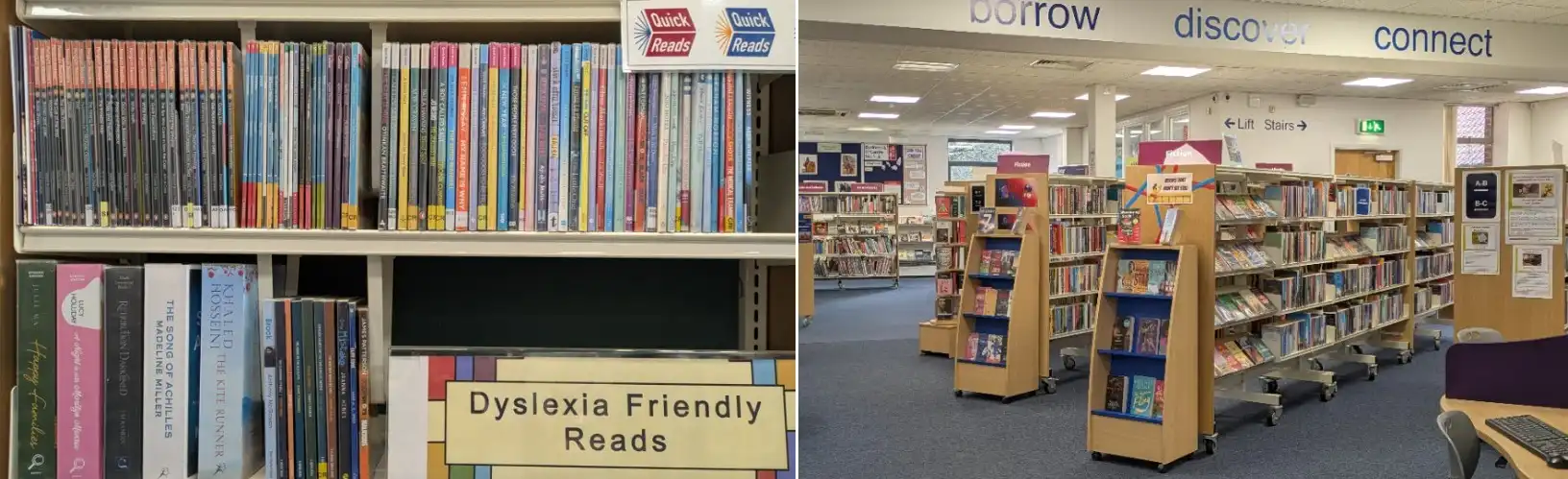
- Dyslexia-Friendly Books: These are often printed on off-white or cream-colored paper to reduce visual glare (which can cause “rivers of white” or blurring for dyslexic readers). They use specific fonts—like OpenDyslexic or Barrington Stoke’s specialized typeface—where letters have weighted bottoms to help the eye stay grounded on the line.
- Quick Reads: These are shorter, high-interest books written by popular authors. They provide the same narrative satisfaction as a 400-page novel but with a more manageable word count and clearer sentence structures, helping readers build “reading stamina” and confidence.
- Large Print Editions: While often associated with the visually impaired, large print can significantly benefit dyslexic readers by increasing the white space between letters and lines, making it easier to track text.
- Audiobooks: Perhaps the most vital tool in the dyslexia toolkit, audiobooks allow the listener to consume complex literature through “ear-reading.” This bypasses the decoding struggles of the eyes and engages the brain’s natural linguistic processing.
- Free Library Apps: Tools like Libby or BorrowBox will be showcased, demonstrating how readers can change fonts, background colors, and text sizes on their own devices, or listen to thousands of audiobooks for free.
The Power of Community
Beyond the technical resources, the heart of this initiative is the connection with like-minded people. Living with dyslexia in an adult world can often feel isolating. Many adults carry “literacy trauma” from their school days—memories of being asked to read aloud in class or struggling to keep up with peers.
The Thetford Library session offers a “friendly, supportive setting” where these experiences are understood without explanation. It is a space to share tips, such as which colored overlays work best or which narrators make an audiobook come alive. By gathering a community of neurodivergent thinkers, the library fosters a sense of belonging. Participants aren’t “struggling readers” here; they are explorers of narrative who happen to use different tools to reach the destination.
A Grassroots Future: Empowerment through Participation
The April 21st session is a pilot—a “brand new” endeavor. The organizers have made it clear that if the community shows interest, the group will become a regular fixture.
Why 16+ Matters
Focusing on the 16+ and adult demographic is a strategic and compassionate choice. While schools are increasingly better equipped to identify and support dyslexic children, adults are often left to navigate the world on their own. In the workplace or in higher education, the lack of a supportive reading environment can lead to a decline in reading for pleasure. By targeting young adults and up, Thetford Library is helping people rediscover the magic of stories at a time in their lives when they may have previously given up on books as “not for them.”
Conclusion
If you are a young adult or an adult in the Thetford area who has ever felt that books were a “closed door,” the session on April 21, 2026, is an invitation to walk through that door. Whether you are a lifelong audiobook fan, someone looking for better fonts, or someone who simply wants to meet others who “get it,” this group offers a unique opportunity.
No booking is required, and no one will be asked to read aloud or perform. It is simply an hour to discover that the library is your space, and the world of stories belongs to you just as much as anyone else. By attending, you aren’t just joining a group—you are helping to build a more inclusive, literate, and connected Thetford.
Mark your calendars for 5:30 PM at Thetford Library.