

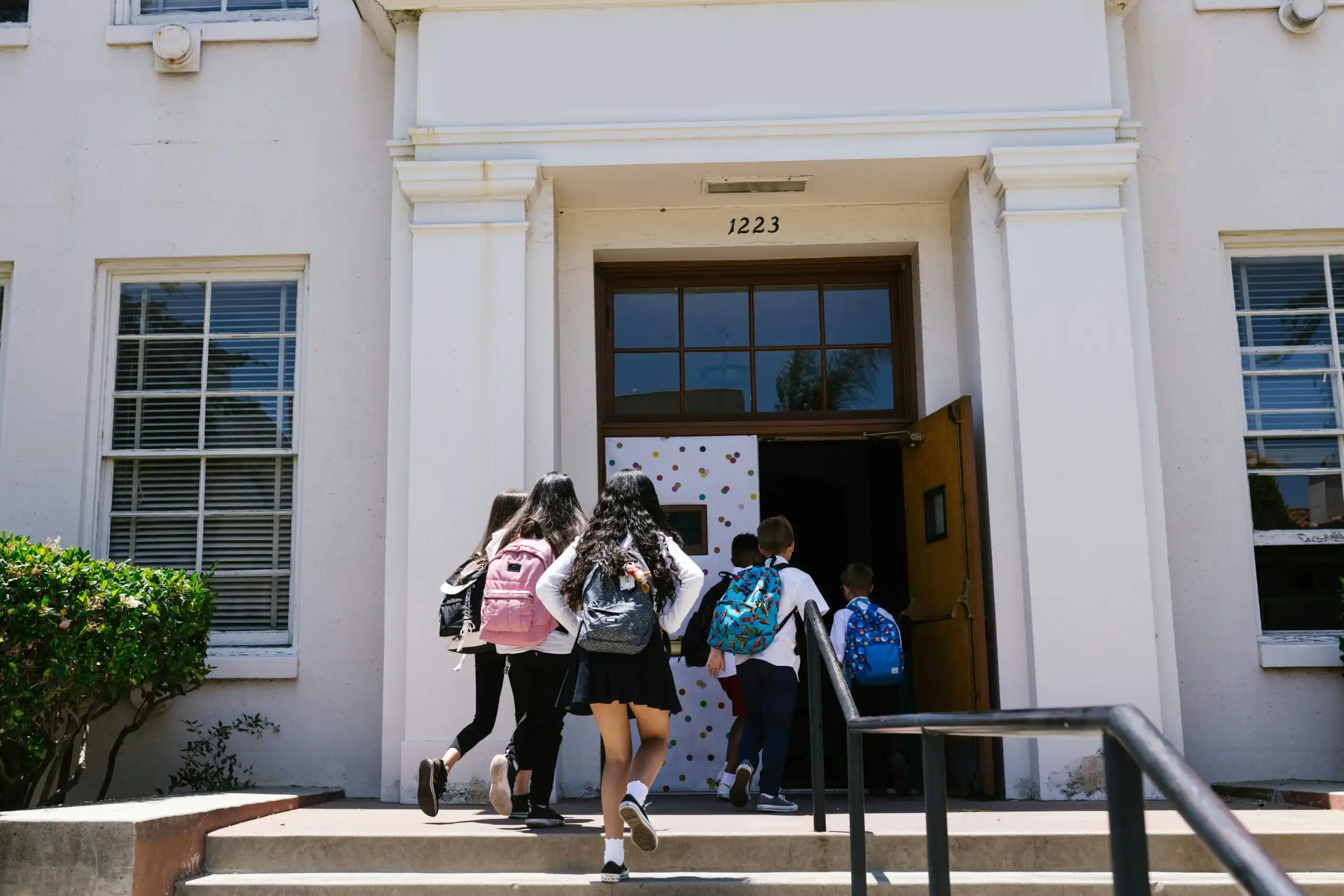
The right school for a Dyslexic
The process often begins with deciding between a mainstream school with strong Special Educational Needs (SEN) support or a specialist dyslexia school.
Specialist Dyslexic Support and Teacher Training
The expertise of the staff is arguably the most crucial factor.
- Specialist Qualifications: Ask about the qualifications of the SEN Coordinator (SENCo) and any specialist teachers. Look for staff with specific training in teaching students with Specific Learning Difficulties (SpLD) or dyslexia, such as a PG. Cert. SpLD or a Diploma in Teaching Learners with Dyslexia (Level 5 or 7 equivalent).
- Whole-School Training: Find out if all non-specialist teachers receive ongoing training in dyslexia awareness and support strategies. This ensures your child is supported in every classroom.
- Provision of Support: Inquire about the exact nature of the support:
- Is it one-to-one tuition or small group intervention?
- During which classes does the support take place (e.g., are they pulled out of subjects where they might excel, like art or sports)?
- How often is the support delivered?
Teaching Methods and Curriculum
A dyslexic-friendly school employs specific instructional practices that cater to your child’s learning style.
- Multi-Sensory Approach: The teaching methodology should be multi-sensory (kinaesthetic, visual, auditory), which is highly effective for dyslexic learners. Avoid schools that rely solely on traditional “chalk and talk” methods.
- Dyslexia-Friendly Practices: Ask about specific classroom accommodations:
- Copying from the board should be minimized or banned, with handouts provided instead.
- Are handouts printed on colored (e.g., buff) paper using dyslexia-friendly fonts (e.g., Comic Sans)?
- Are lessons structured to introduce one or two new concepts at a time, with frequent revisiting and reinforcement to aid working memory?
- Assistive Technology (AT): The school should embrace and integrate assistive technology (laptops, speech-to-text, text-to-speech software, mind-mapping tools). Ask if they have a dedicated staff member to support AT use.
- Assessment and Exams: Inquire about their process for securing exam access arrangements (e.g., extra time, a reader, or a scribe) and how they offer opportunities for students to demonstrate knowledge without written assessments.
School Ethos and Environment
The school’s attitude toward dyslexia impacts your child’s self-esteem and happiness.
- School SEN Policy: Ask to see the school’s SEN policy and ask the Head Teacher about their overall view on SpLD/dyslexia. Look for an attitude of empowerment and understanding, not one of “sink or swim.”
- Class Size: Smaller class sizes generally allow teachers to give more individual attention and diversify lessons. Specialist schools often offer significantly smaller classes.
- Well-being and Confidence: Dyslexia can lead to low self-esteem. Ask how the school actively works to build confidence and provide opportunities for students to shine in their strengths (e.g., sports, arts, problem-solving, creativity).
- Anti-Bullying Policy: Ask for a clear, honest answer about the anti-bullying policy and what happens when learning differences are a target.
- Communication: Find out how parents are kept informed about their child’s progress and how often you can meet with the SENCo and class teachers.
Initial Steps and Evaluation
When beginning your search:
- Review your child’s diagnosis and any recommendations from the dyslexia screening test.
- Be Transparent with prospective schools about your child’s needs and provide the dyslexia screening test.
- Visit the School during a day tour to observe classrooms, look at teaching methods, and gauge the overall atmosphere and organization.
- Speak to Other Parents to gain a firsthand perspective on their experiences with the school’s support system.
Where to get help when looking for schools for a Dyslexics?
- CReSTeD (Council for the Registration of Schools Teaching Dyslexic Pupils)
- British Dyslexia Association (BDA)
- The Good Schools Guide (SEN Section)