

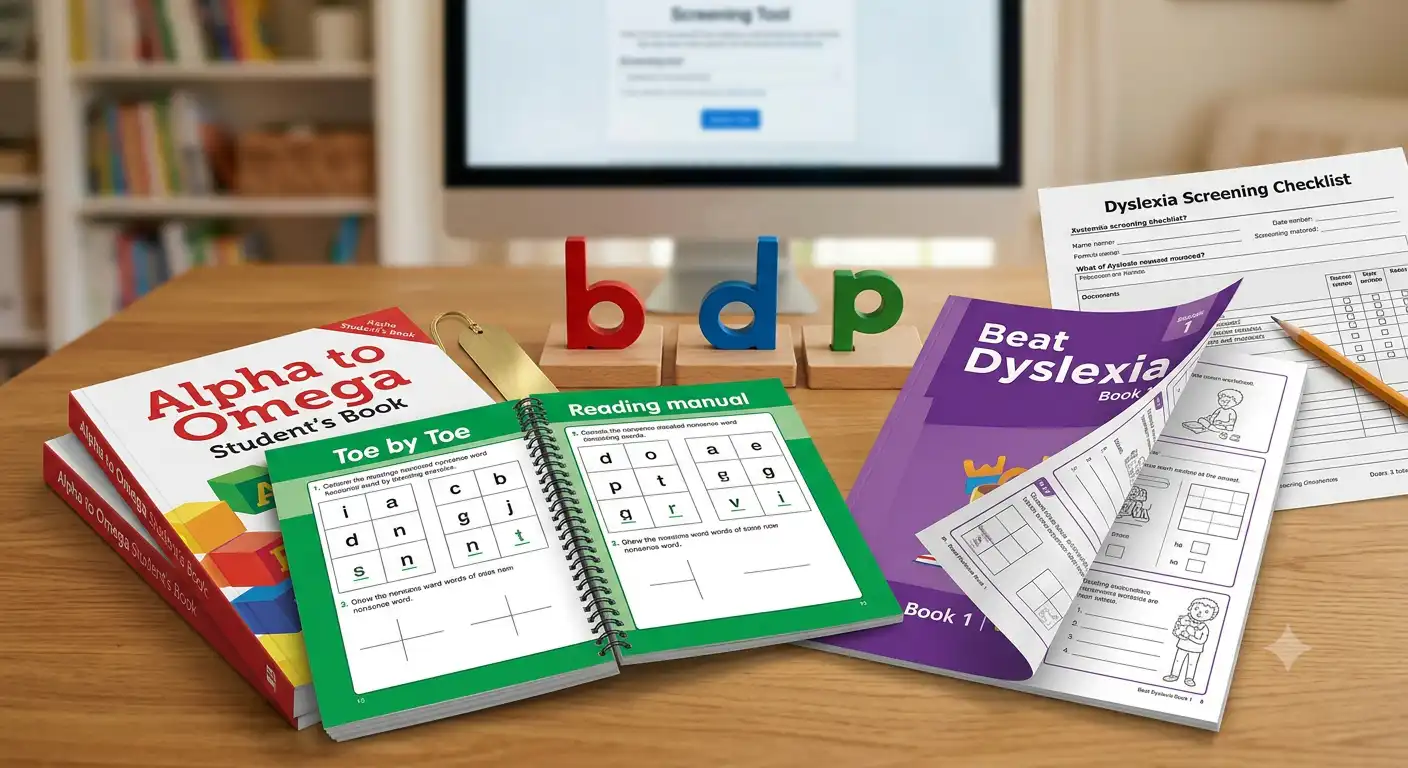
Educational Resources for Dyslexia
This is where structured, multi-sensory workbooks become invaluable. Rather than relying on memorization or visual guesswork, the best dyslexia resources break language down into tiny, logical building blocks.
Below, we explore five of the absolute best workbook-based educational systems available today, including legendary programs like Toe by Toe, Alpha to Omega, and Beat Dyslexia.
The Essential First Step: A Dyslexia Screening Test
Before investing time, energy, and money into specialized educational workbooks, it is crucial to establish exactly what you are addressing. If you suspect that you or your child might be dyslexic, the absolute first step should always be a professional dyslexia screening test.
It is easy to mistake general reading delays, vision tracking problems, or auditory processing challenges for dyslexia. A formal screening or assessment provides an objective look at cognitive processing speeds, phonological awareness, and working memory.
Why Screen First?
A dyslexia screening test doesn’t just provide a label; it uncovers a unique learning profile. It highlights specific cognitive strengths and pinpoints the precise areas where the phonological loop (the brain’s mechanism for processing spoken words) is struggling. Armed with these insights, you can select the workbook program tailored perfectly to those exact needs, rather than guessing where to begin.
Deep Dive: The 5 Best Educational Resources for Dyslexia
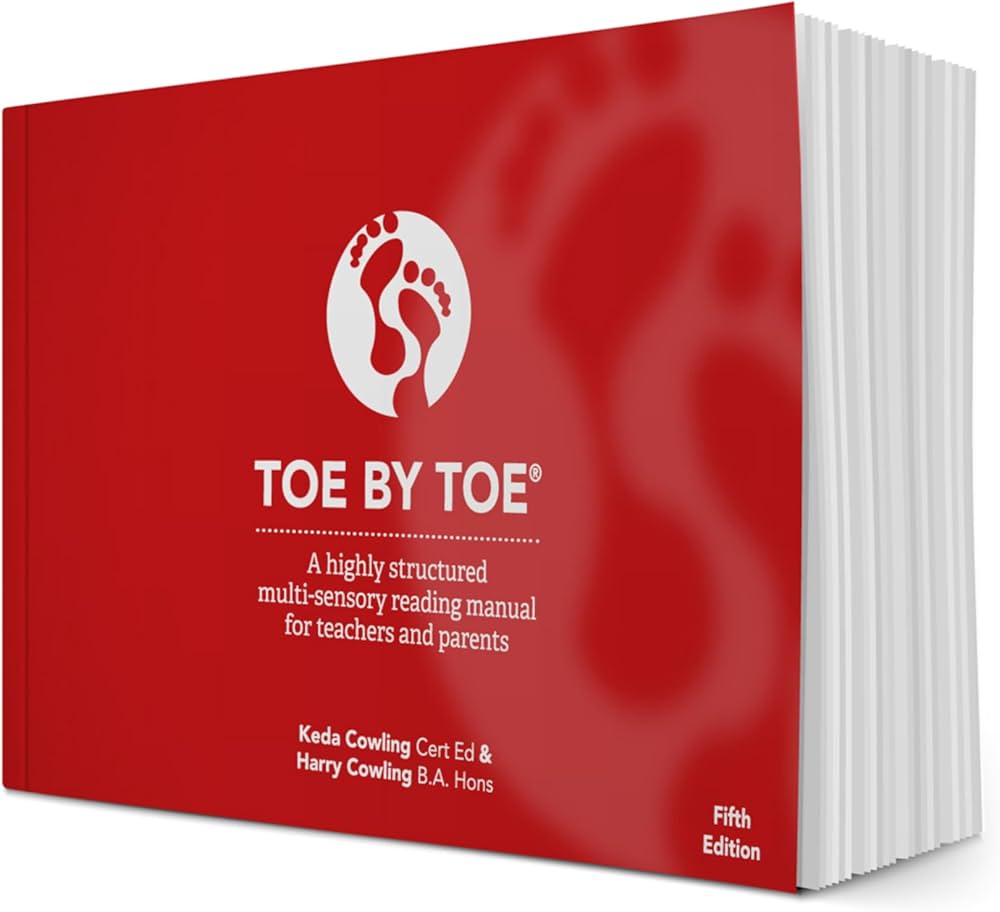
1. Toe by Toe (by Keda Publications)
For over twenty-five years, Toe by Toe has been a gold standard remedial reading book worldwide. Its title perfectly describes its style: it moves forward in tiny, hyper-focused increments.
- How it works: The magic of Toe by Toe lies in its use of “nonsense words” (e.g., baf, gopt, vomp). Dyslexic readers are often brilliant at using context clues or memorizing what a word looks like to guess their way through a sentence. By forcing the student to decode completely made-up words, the book ensures they are genuinely mastering phonics blending rules rather than relying on memory.
- The Coach Factor: This isn’t a book a student works through alone. It requires a “coach” (a parent, teacher, or peer) to sit with them for 20 minutes a day. It features a strict tracking grid where a student must read a word correctly three days in a row to clear it.
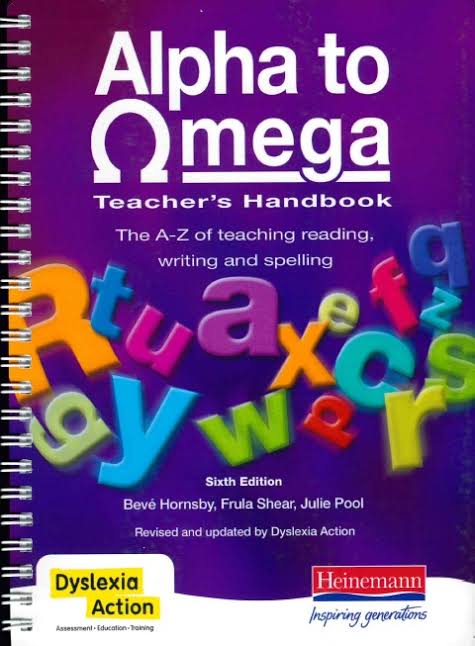
2. Alpha to Omega (by Bevé Hornsby, Frula Shear, and Julie Pool)
Originally developed by pioneers in the field of speech and language therapy, Alpha to Omega offers a deeply linguistic approach to reading, writing, and spelling.
- How it works: This program treats English not as an chaotic mess of exceptions, but as a structured system governed by logical linguistic rules. It carefully guides learners through the structure of the language, beginning with simple single-syllable vowel-consonant combinations and progressing systematically to complex suffixes, prefixes, and etymological roots.
- The Structural Advantage: It is incredibly thorough. Rather than just focusing on basic literacy, it bridges the gap into higher-level academic writing, making it fantastic for older children, adolescents, and adults who need to understand the structural logic behind why words are spelled the way they are.
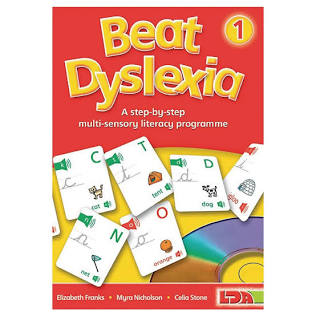
3. Beat Dyslexia (by Elizabeth Franks, Myra Nicholson, and Celia Stone)
If you are working with a learner who lacks confidence, feels anxious about reading, or becomes easily overwhelmed by dense text, Beat Dyslexia is an outstanding intervention.
- How it works: This step-by-step multi-sensory literacy program is split into multiple progressive volumes. It balances reading, spelling, and writing across beautifully spaced pages that integrate clear visual layouts, worksheets, and audio supports.
- The Neurodivergent Design: The pacing is deliberately steady, offering immense reinforcement so the learner rarely encounters failure. Because it utilizes auditory, visual, and kinaesthetic pathways concurrently, it effectively helps build neural bridges between spoken sounds and written symbols without triggering academic burnout.
4. Stareway to Spelling (by Keda Publications)
From the same publishers who created Toe by Toe, Stareway to Spelling tackles a different but equally vital pillar of literacy: mastering the 300 most common high-frequency words in the English language.
- How it works: Words like there, their, because, or what show up constantly in writing, yet they frequently break standard phonics rules. This workbook uses a unique manual tracking method designed to fix visual processing blocks, helping students instantly recognize and spell these foundational “sight words.”
- The Core Benefit: Once a student eliminates the cognitive friction of stumbling over common service words, their reading fluency increases dramatically, freeing up mental bandwidth for comprehension.
5. The Hickey Multi-Sensory Language Course (by Kathleen Hickey)
Rooted firmly in the globally respected Orton-Gillingham methodology, the Hickey framework is less of a casual puzzle book and more of a comprehensive, highly systematic educational journey.
- How it works: This resource provides highly organized lesson plans and activity structures built around the look, sound, and physical feel of letters. Students trace letters in sand, map sound patterns rhythmically, and build words with physical cutouts.
- The Diagnostic Edge: It allows the educator or parent to act almost as a clinician, tailoring individual sheets and vocabulary sets to match the pace of the student precisely. It is highly valued across the UK for transforming reluctant writers into methodical, rule-based spellers.
Comparing the Top Dyslexia Workbook Systems
To help you see how these acclaimed resources differ at a glance, here is a quick breakdown of their core focus and ideal target audience:
| Resource | Core Methodology | Best For | Format Type |
| Toe by Toe | Highly structured decoding using nonsense words | Rapidly accelerating reading age | Single, comprehensive manual |
| Alpha to Omega | Linguistic, rule-based systematic phonics | Developing deep spelling and writing logic | Teacher’s handbook + student workbooks |
| Beat Dyslexia | Multi-sensory, gradual pacing with visual cues | Anxious learners or younger children | Multi-volume workbook series with audio |
| Stareway to Spelling | Visual tracking and high-frequency word mastery | Overcoming blocks with common “sight words” | Specialized remedial workbook |
| The Hickey Program | Pure Orton-Gillingham multi-sensory lessons | Structured, highly individualized instruction | Comprehensive activity framework |
Setting Up Your Intervention for Success
Choosing the right workbook is only half the battle. To ensure these tools truly help rewire the brain’s phonological pathways, follow this consistent deployment strategy:
1.Establish baseline with a screening: Step 1.
Conduct an initial dyslexia screening test to confirm your learner’s specific profile and rule out underlying visual difficulties.
2.Commit to daily micro-sessions: Step 2.
Dyslexia workbooks fail when used for two hours once a week. Instead, schedule short, intensive 15-to-20-minute sessions five days a week. Continuity is what builds long-term memory retention.
3.Remove the fear of mistakes: Step 3.
Encourage the learner to see mistakes as neutral data points. Celebrate the effort required to sound out a syllable rather than just getting a quick answer right.
4.Cross-train with audiobooks: Step 4.
While working through decoding skills in the workbooks, keep their intellectual curiosity alive by letting them listen to complex audiobooks. Never let mechanical reading difficulties stall vocabulary and comprehension development.
By pairing the structured, systematic approach of resources like Toe by Toe or Beat Dyslexia with an accurate understanding of an individual’s learning profile, you can change the trajectory of their educational journey turning reading from a daily battle into a manageable, logical skill.