

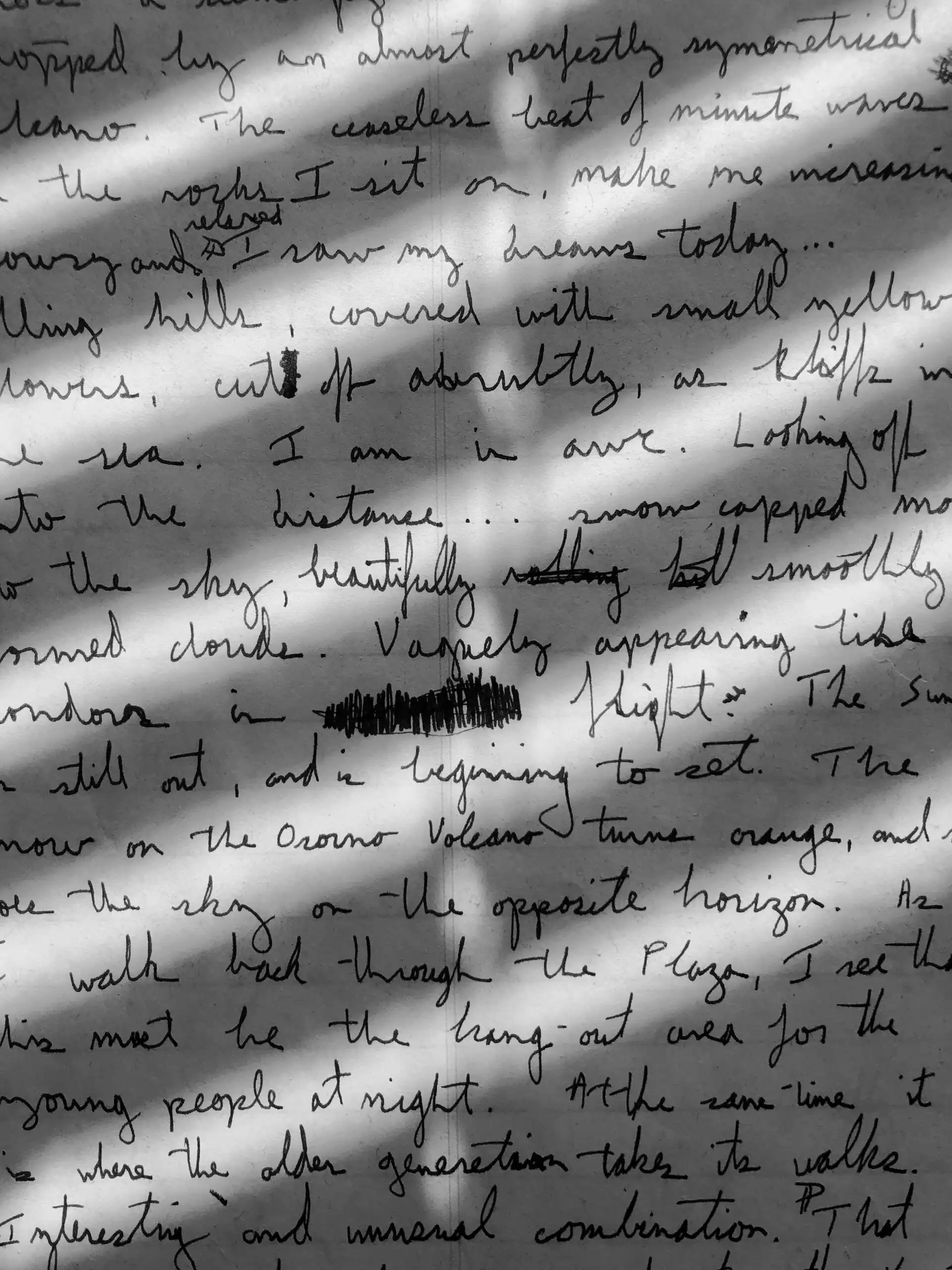
Understanding Dysgraphia
For many parents, this is the first introduction to understanding dysgraphia.
Because writing is a foundational skill in the UK National Curriculum, a child struggling with writing can face severe impacts on their confidence, academic success, and emotional well-being. This comprehensive guide is designed to demystify dysgraphia within the framework of the UK education and healthcare systems, answering your most pressing questions and providing actionable steps to support your child.
1. Does Dysgraphia Really Exist?
The short answer is yes.
However, because it is an “invisible” neurological condition, it has historically been misunderstood in British schools. In the past, children with dysgraphia were frequently mislabelled as lazy, careless, or unmotivated. Teachers and parents might have said, “They just need to slow down,” or “They can write neatly when they want to.”
Today, neurodevelopmental research and brain-imaging technology have proven that dysgraphia is a real, distinct neurological condition.
The Diagnostic Reality in the UK
In the UK, dysgraphia is recognized as a Specific Learning Difficulty (SpLD). It sits under the same neurodiversity umbrella as dyslexia and dyspraxia the latter of which is clinically referred to as Developmental Coordination Disorder (DCD).
Crucial Fact: Dysgraphia is not a reflection of your child’s intelligence, nor is it a result of poor parenting or a lack of effort. It is a brain-based difficulty with the physical and cognitive mechanics of writing.
Why Writing is So Hard: The Brain’s “Control Tower”
To understand why dysgraphia exists, it helps to look at what happens in the brain during the act of writing. Writing is actually one of the most complex cognitive tasks a human being can perform. It requires the simultaneous orchestration of multiple brain networks.
In a typically developing brain, these processes become automatic over time. For a child with dysgraphia, the “wires” connecting these regions do not communicate efficiently. The child has to expend so much conscious mental energy just trying to form the letters or space the words that their working memory becomes overloaded. This leaves zero cognitive room for them to think about what they actually want to say.
2. What is Dysgraphia? Defining the Condition
Dysgraphia is a learning difficulty that primarily affects writing abilities. It manifests as severe difficulties with spelling, poor handwriting, and trouble putting cohesive thoughts onto paper.
Experts generally categorize dysgraphia into three main types, though many children experience a combination of them:
Dyslexic Dysgraphia
With this form, spontaneously written text is severely illegible. However, copied text (such as copying from a whiteboard or textbook) is often relatively clear. Interestingly, the child’s fine motor speed and finger-tapping skills are usually normal. Spelling is typically very poor because the underlying issue is related to phonological and language processing.
Motor Dysgraphia
This type stems from a deficit in fine motor skills and muscle memory, and it frequently overlaps with dyspraxia (DCD). In motor dysgraphia, all written work whether written spontaneously or meticulously copied is illegible and incredibly painful to produce. Drawing, tracing, and cutting with scissors are also highly challenging. However, the child’s spelling abilities when speaking aloud are often completely intact.
Spatial Dysgraphia
This form is rooted in a problem with spatial perception. Children with spatial dysgraphia struggle to understand the relationship between the letters they write and the space on the paper. They have trouble keeping their writing on the lines, spacing words evenly, and organizing their work visually. Their oral spelling is usually normal, but both spontaneous and copied writing appear highly disorganized.
3. Core Signs of Dysgraphia to Watch For
Because dysgraphia evolves as a child progresses through the UK school system, the signs of dysgraphia look different depending on their age and Key Stage.
| Key Stage / Age | Common Red Flags |
| Early Years & Foundation (Ages 3–5) | Severe dislike of drawing, colouring, or tracing Awkward or tight pencil grip (often holding it with a whole fist) Avoidance of fine motor tasks like using safety scissors or fastening buttons |
| Key Stage 1 & 2 (Ages 5–11) | Heavy mixing of cursive and print, or uppercase and lowercase letters Irregular letter sizes and shapes; writing that gets progressively smaller or larger Difficulty staying within margins or writing on lined paper Unfinished words or omitted letters in sentences Complaining of a painful, cramped, or tired hand after writing just a few lines |
| Key Stage 3 & 4 (Ages 11–16) | Severe avoidance of written assignments, essays, or exam preparation Vast difference between what they can express verbally in class vs. what they write down Extremely slow writing speed, leading to unfinished exams and assessments Highly disorganized layout of revision notes or multi-step maths equations |
4. Dysgraphia vs. Dyslexia: What is the Relation?
Parents and educators frequently confuse these two conditions. While they are distinct, they are closely related “cousins” under the SpLD support umbrella.
The Core Difference: Input vs. Output
The easiest way to distinguish between dysgraphia vs dyslexia is to look at the direction of information flow:
- Dyslexia is primarily an INPUT and decoding issue. It affects reading, phonological awareness (the ability to break words down into sounds), and receptive language processing.
- Dysgraphia is primarily an OUTPUT and encoding issue. It affects mechanical execution, handwriting, and the physical formulation of written language.
Why They Are Frequently Co-Occurring
It is incredibly common for a British child to have both dyslexia and dysgraphia.
- Spelling Breakdown: Both conditions impact spelling, but for different reasons. A dyslexic child struggles to spell because they cannot map sounds to letters accurately. A dysgraphic child struggles to spell because their brain lacks the automatic muscle memory to execute the letter sequences, or because they cannot visually organize the letters on the page.
- Neurological Roots: Both conditions involve differences in how the brain’s language centres process information. If a child has trouble breaking a word down into its sounds to read it (dyslexia), they will almost certainly struggle to pull those sounds out of their head and physically write them down (dysgraphia).
5. How to Get Your Child Tested for Dysgraphia in the UK
If you suspect your child has dysgraphia, obtaining a formal assessment is the crucial first step toward securing the adjustments and funding they need at school.
Step 1: Speak to the School SENCo
Your first port of call should always be your school’s SENCo (Special Educational Needs Co-ordinator).
- Schedule a meeting: Request a formal sit-down to discuss your concerns.
- Bring physical evidence: Gather schoolbooks, examples of writing fatigue, homework printouts, and notes from teachers highlighting the gap between your child’s verbal intelligence and written output.
- Request SEN Support: Ask the school to put your child on the school’s SEN Support register. The school can then use their internal budget to initiate the “Assess, Plan, Do, Review” cycle.
Step 2: Choose Your Assessment Path
In the UK, getting a standalone NHS diagnosis of “dysgraphia” can be tricky because it frequently overlaps with other conditions. You generally have two paths:
Path A: The NHS and Local Authority Route
If your child’s struggles are heavily rooted in fine motor mechanics, they can be assessed for Dyspraxia/DCD.
- How it works: You ask your GP or the school SENCo for a referral to a Paediatric Occupational Therapist (OT) or a community paediatrician.
- Pros: It is completely free via the NHS. An OT report carries significant statutory weight.
- Cons: NHS waiting lists for Occupational Therapy are exceptionally long, often lasting a year or more.
Note: If the issue is language-based, the school may arrange for an Educational Psychologist (EP) to assess them, though school budgets for this are heavily rationed.
Path B: Private Assessment
Many UK parents choose to bypass waiting lists by paying for a private specialist assessment.
- Who to contact: You can hire an independent Educational Psychologist or a private Occupational Therapist. Organizations like the British Dyslexia Association (BDA) or Patoss can direct you to certified assessors.
- Pros: Swift turnaround times and highly detailed diagnostic reports with tailored recommendations.
- Cons: Costly, typically ranging from £500 to £1,500. Always check if your school SENCo will accept and act upon a private report before paying.
6. School Accommodations: Access Arrangements in the UK
Under the Equality Act 2010, UK state and private schools are legally required to make “reasonable adjustments” for pupils with SpLDs. Your child does not necessarily need an Education, Health and Care Plan (EHCP) to get help; most dysgraphia accommodations can be handled via standard SEN Support.
When your child approaches GCSEs and A-Levels, the school can apply for formal access arrangements GCSEs through the JCQ (Joint Council for Qualifications). These adjustments include:
- Word Processor as Standard: Allowing your child to type their exams on a laptop (with spell-check disabled, unless they also qualify for spelling access). This is often the single most life-changing adjustment for a dysgraphic student.
- 25% Extra Time: Recognising that the physical act of writing takes them much longer and causes rapid cognitive and physical fatigue.
- A Scribe: In severe cases, a trained adult will write down exactly what the student dictates word-for-word.
- Prompter / Oral Language Modifier: To help keep the student focused and clarify complex exam phrasing if language processing is co-impaired.
7. How Parents Can Support a Child with Dysgraphia at Home
Effective management of dysgraphia involves a mix of physical remediation and learning how to bypass the physical “bottleneck” of handwriting entirely.
Embrace Assistive Technology Early
Don’t wait for GCSEs to introduce tech. Introduce your child to touch-typing as soon as possible.
- Touch-type Read and Spell (TTRS): A software program highly recommended by UK dyspraxia and dyslexia associations because it uses a phonics-based, multisensory approach.
- Dictation Software: Utilize free speech-to-text tools on tablets and laptops for drafting stories or planning weekend homework.
Adapt the Writing Environment
- Change the Tools: Standard school handwriting pens or cheap biros require immense grip pressure. Try ergonomic pens (like the Stabilo EasyOriginal) or triangular pencils that naturally encourage a functional tripod grip.
- Sloped Writing Boards: Writing on a completely flat desk strains the wrist and neck. A simple wooden or plastic sloped board helps align the wrist properly.
- Graph Paper for Maths: If your child has spatial dysgraphia, buy 1cm squared graph paper to help them keep numbers neatly lined up in columns.
Home Remediation and Fine Motor Games
You can support an Occupational Therapy programme at home through play:
- Use playdough, putty, or clay to build hand and finger strength.
- Use tweezers to pick up beads, or practice threading and Lego building to improve finger dexterity.
- Practice letter formations using multisensory methods tracing letters in a tray of salt, shaving foam, or drawing large letters in the air using whole-arm movements.
8. The Emotional Side of Dysgraphia: Protecting Self-Esteem
Perhaps the most critical job you have as a parent is managing the emotional fallout of this condition.
In UK primary schools, there is a heavy emphasis on achieving “joined-up” neat cursive handwriting to meet the statutory standards of Key Stage 1 and 2 SATS assessments. Children with dysgraphia are acutely aware that their peers can complete assignments faster and more neatly. They internalize this difference, frequently concluding that they are “bad at school” or “stupid.”
Separate Content from Mechanics
When your child shows you a piece of schoolwork, consciously split your feedback into two distinct buckets.
Instead of saying: “Your history story is great, but I can’t read your words and your spelling is terrible.”
Try saying: “Wow, the vocabulary you used in this paragraph is brilliant! Your ideas about the Tudors are wonderful. Now, let’s pick just two words to fix the spelling on together.”
Praise the effort, the creativity, and the intelligence of their thoughts entirely separately from the physical execution of the handwriting.
Demystify the Condition
Talk to your child openly about their learning profile. Use analogies they can easily understand:
“Your brain is like a super-fast sports car, but your hand is like a bicycle. Your brain has all these amazing, fast thoughts, but your hand just can’t keep up with them right now. Dysgraphia is just the name for that gap, and we are going to use tools like laptops or speaking to the computer to help your hand keep up with your brilliant brain.”
Giving the struggle a formal name removes the personal shame. It lets them know that their difficulties are a logistical problem to be solved with tools, not a personal flaw.
Looking to the Future
Living with dysgraphia requires patience, resilience, and consistent advocacy within the UK school system. However, it is vital to keep perspective.
In the adult workplace, professionals are rarely judged by the neatness of their handwriting; they are judged by the quality of their ideas, their communication skills, and their problem-solving abilities all of which are completely unimpaired by dysgraphia. By identifying the condition early, working closely with your school SENCo, and fiercely protecting your child’s self-esteem, you will clear the path for them to achieve their full academic potential.