
-

 Once dyslexia is
identified, you
can challenge
your needs and
take control
Book and appointment with one of our specialists today
We’re here to help.
Whether you are a parent, school or employer we’re here to help. INDIGO is a leader in the field of dyslexia and dyscalculia testing in East Anglia. All our staff are qualified specialists’ teachers or needs assessors. Our advanced screenings and assessments are capable of providing valuable information that can be helpful in identifying needed support and assist in planning required intervention.
Book Now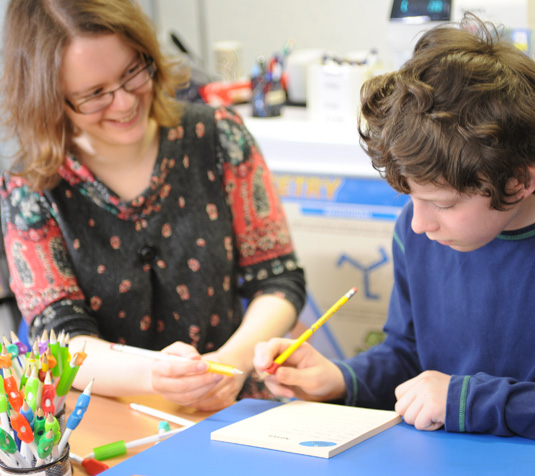
What we do.
We are specialised in the field of educational assessment and provide advanced dyslexia and dyscalculia screening tests.

Advanced Screening Tests
Our Advanced Screening Tests for Dyslexia or Dyscalculia will give you a probability of whether dyslexia or dyscalculia is a factor, it will also identify strengths and weaknesses, and help assess current attainment levels. This information is crucial to educators as it allows them to identify needed support and to put into place appropriate help.
Advanced Screening Tests are not computerised but are performed face to face either at our centre or online. They are performed by trained individuals using tests approved for the identification of learning difficulties. Each test costs £95, and you should allow 2 hours for the appointment. These tests are open to anyone over the age of seven.
Experienced Team
The Indigo Dyslexia Centre is a progressive, East Anglia based company.
Our dedicated aim is to help any individual or organisation with dyslexia, it is our belief that dyslexia is a learning difficulty not a learning impossibility.
From our beginnings in 2003 as a friendly support organisation, we progressed to East Anglia’s leading private assessment service for dyslexia. We hold several service agreements with statutory bodies, universities and schools.
We have an extremely experienced team with decades of practical experience in conducting assessments. We pride ourselves on the quality, value and efficiency of our services. We are determined to raise awareness of dyslexia and change society's perception towards dyslexia.

Book and appointment with one of our specialists today
Contact Us
Feel free to ask for details, don't save any questions!