News & Advice Hub

Practical guidance, expert insights and real stories to help you better understand and support dyslexia at school, at work and at home.

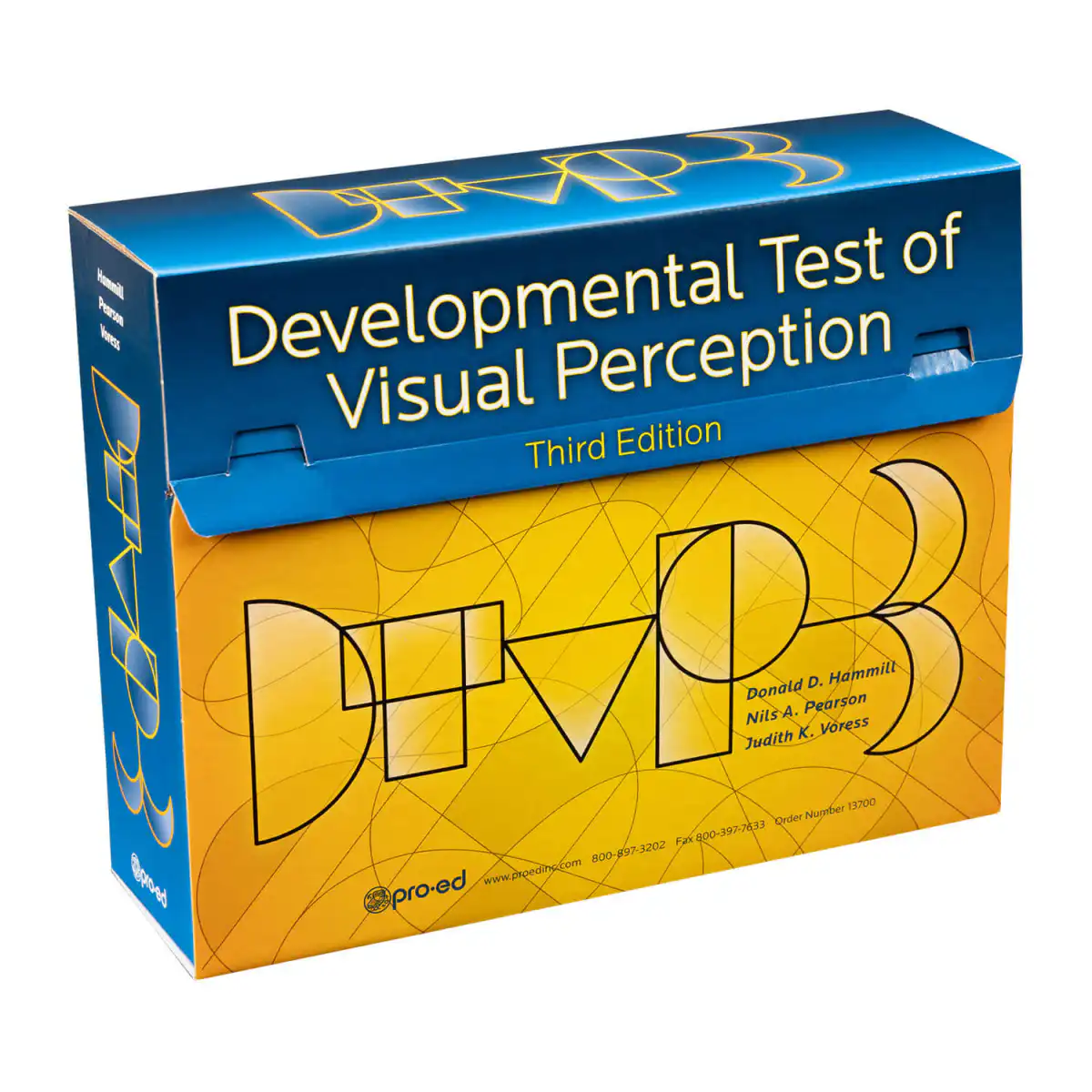
The Developmental Test of Visual Perception

The Developmental Test of Visual Perception (DTVP) in Dyslexia and Dyspraxia Assessments

Apr 14, '26

Understanding the intricate relationship between visual perception and motor coordination is essential when assessing Specific Learning Difficulties (SpLDs) like dyslexia and dyspraxia (Developmental Coordination Disorder). While these conditions are often discussed in terms of literacy and gross motor skills, the underlying visual-perceptual and visual-motor integration (VMI) abilities frequently play a silent but pivotal role in a learner's struggles.

Assessing Mathematics Difficulties and Dyscalculia

Navigating the Landscape of Numerical Assessment: A Deep Dive into Dyscalculia Testing

Apr 14, '26

For many, mathematics is a logical language of patterns and certainty. But for individuals with dyscalculia, the world of numbers is a shifting landscape of confusion. Dyscalculia—a specific learning difficulty that affects an individual's ability to understand, recall, and manipulate numbers—is often misunderstood and under-identified compared to its literacy counterpart, dyslexia.

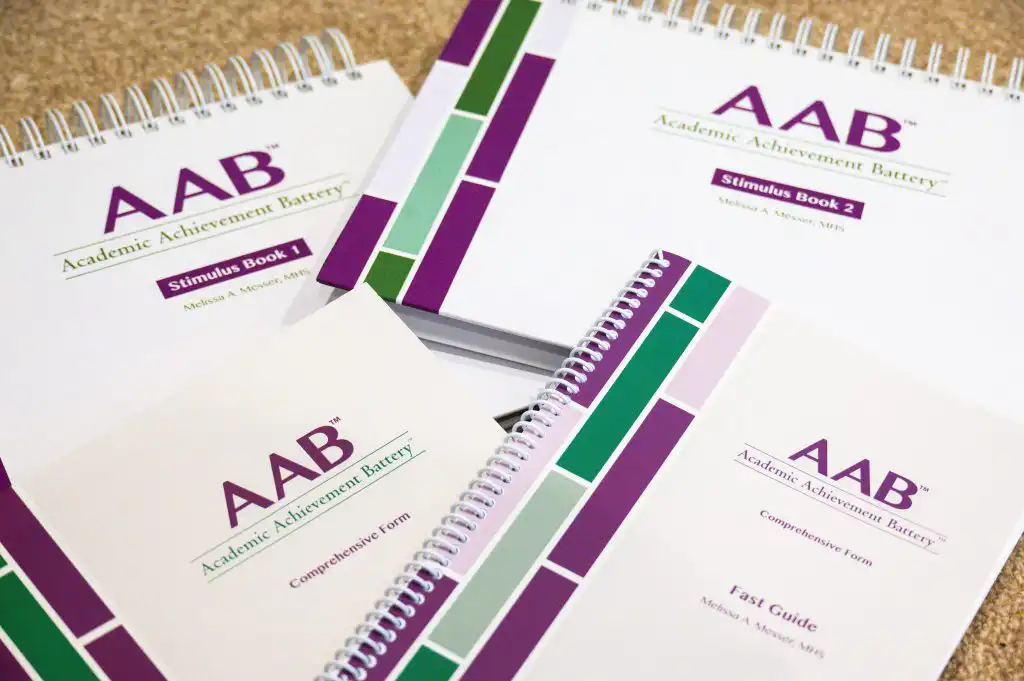
Academic Achievement Battery (AAB)

A Comprehensive Guide to the Academic Achievement Battery (AAB)

Apr 13, '26

When assessing for dyslexia, the tools you choose are just as critical as the clinical observations you make. As specialist assessors, we are constantly seeking the "Goldilocks" of testing instruments: something that is robust enough to stand up to scrutiny, yet sensitive enough to capture the nuanced profile of a learner with dyslexia.

SASC 2025 Framework for Dyscalculia Assessment

A Guide to the SASC 2025 Framework for Dyscalculia Assessment

Apr 13, '26

For many, mathematics isn't just a subject; it’s a source of profound anxiety and confusion. While "maths struggles" are common, dyscalculia—a specific learning difficulty (SpLD) that affects the ability to understand numbers and mathematical concepts—requires a specialized, nuanced approach to diagnosis.

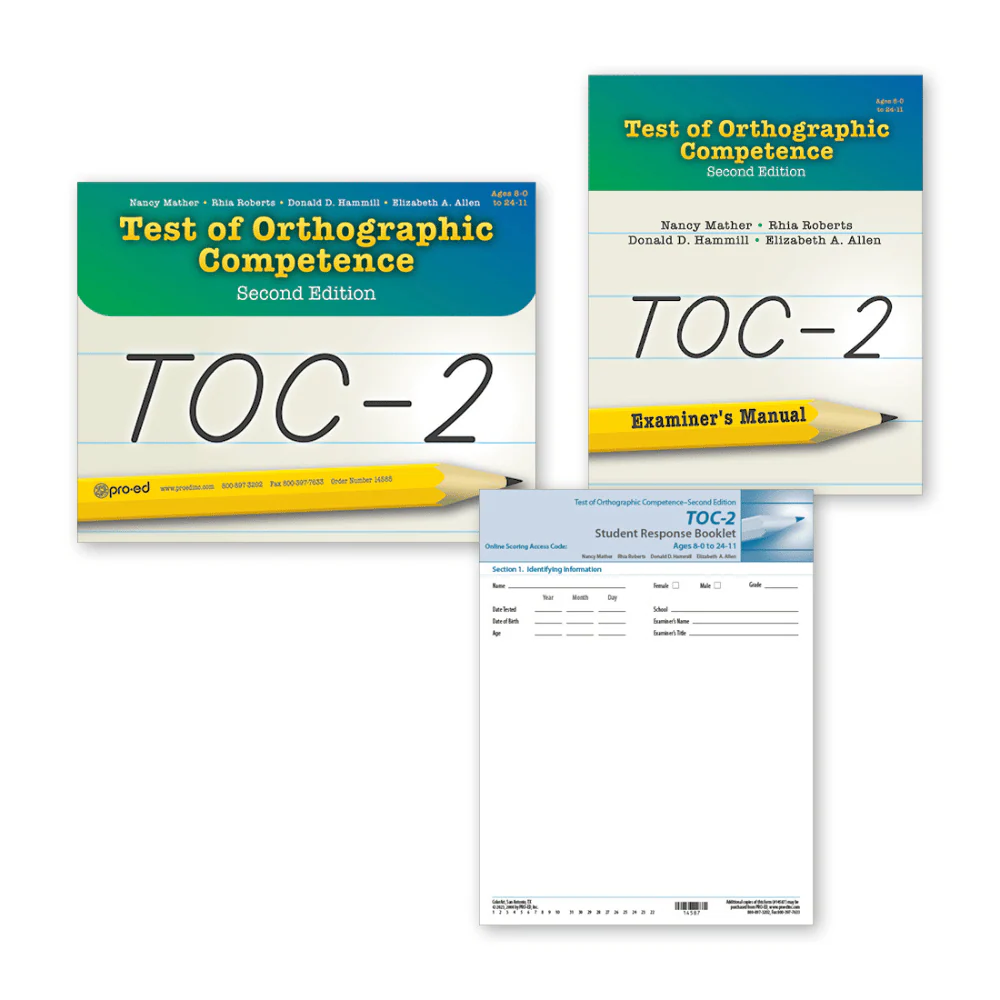
Test of Orthographic Competence, Second Edition (TOC 2)

Review of the Test of Orthographic Competence, Second Edition (TOC 2) and Dyslexia

Apr 12, '26

For many individuals with dyslexia, the challenge of written language extends far beyond "bad spelling." It involves a complex struggle with the very architecture of written words—a field known as orthographic processing. To accurately identify these hurdles and provide the right support, assessors need tools that look under the hood of a student’s writing system.